Climate
The ocean stores heat and absorbs carbon dioxide. Its circulation connects weather and climate across the planet.
NOAA happyorbis
A new perspective on our blue planet.
Connect science, people and action to protect the systems that sustain us.
Happy Orbis is a community of people who care about our planet. Join the conversation.
Measure first. Act second. Verify everything.
Drag to explore · Select a location to go deeper
OCEAN GIFTS
Choose an ocean animal and create a personalised digital Ocean Gift.
Explore Ocean GiftsTheir name. Your message. A gift to keep.
SCIENCE + PEOPLE + ACTION
Happy Orbis connects environmental knowledge, people and action. Explore the evidence, find people who can help and build projects with outcomes that can be checked.
ONE CONNECTED PLANET
What happens in the ocean reaches everyone. What we do on land reaches the ocean.
The ocean stores heat and absorbs carbon dioxide. Its circulation connects weather and climate across the planet.
NOAAOceanic plankton support food webs and play a major role in the oxygen and carbon cycles.
NOAAMarine habitats sustain diverse life, fisheries and the livelihoods of coastal communities.
NOAASea routes carry most international trade in goods by volume. Ports connect this activity with cities and marine ecosystems.
UNCTADRunoff carries materials from farms, streets and industry into waterways and onward to the sea. Local action matters far inland.
NOAAFROM A QUESTION TO SHARED PROGRESS
Explore environmental data and community observations.
02Read the sources, uncertainty and scientific context.
03Find people, places and expertise.
04Start a local event or propose a project.
05Submit evidence for independent review.
06Make knowledge and progress accessible.
EVERY COUNTRY CAN CONTRIBUTE
Our goal: at least one active ecological volunteer in every country. Every country can help, including those far from the coast.
FROM YOUR RIVER TO THE OCEAN
The Elbe connects Czechia with the North Sea. The Danube basin connects Central Europe with the Black Sea. Protecting rivers, forests and local habitats is part of protecting the planet.
Read the patterns beneath a sea surface temperature map.
4 min explorationFollow the light down into our planet’s least familiar world.
Interactive descentWhat ocean colour reveals — and what it cannot tell us.
3 min explorationGLOBAL ECO NETWORK
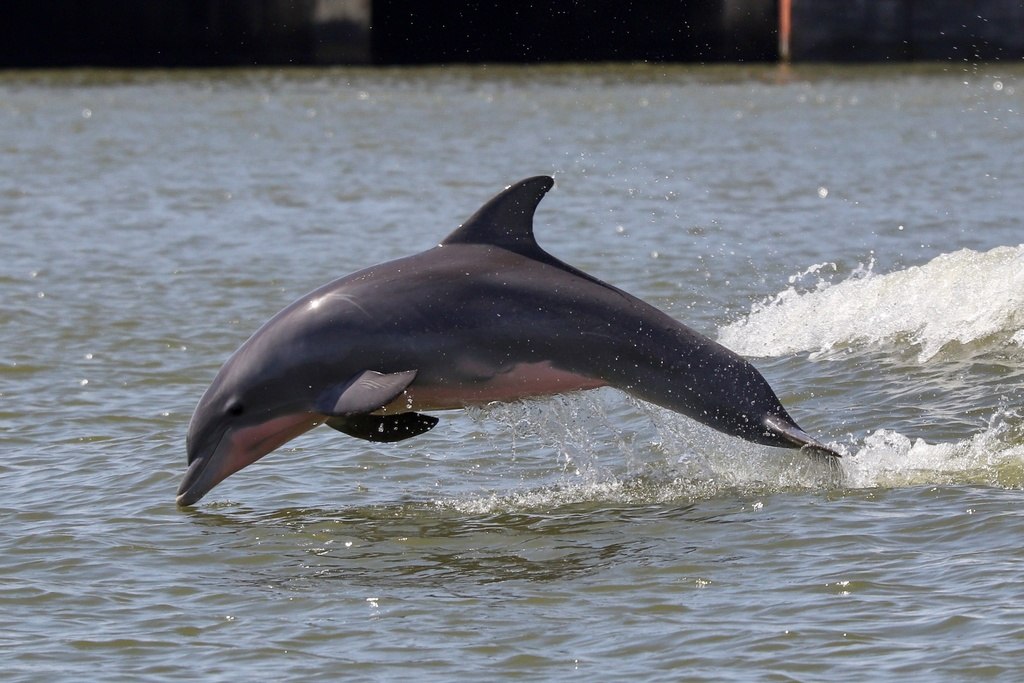
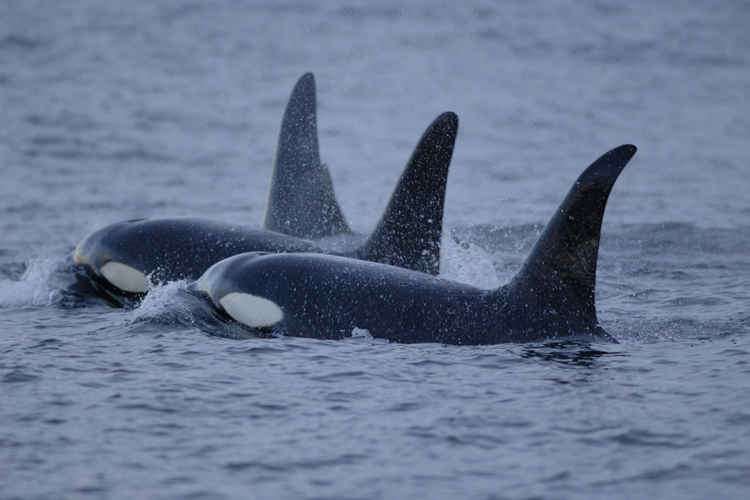
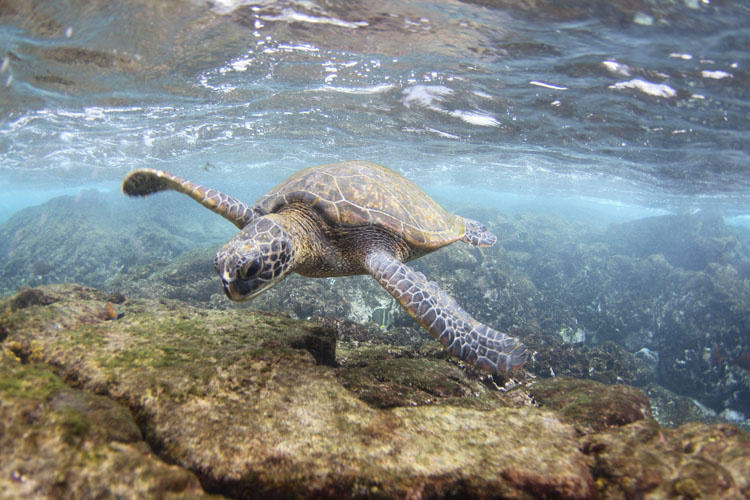
Sometimes our connection with the sea begins with one animal. A turtle surfacing for air. A whale heard before it is seen. A dolphin, a shark, or the life hidden in a small patch of coral. Is there an ocean animal that changed the way you think about the sea? Why? You might have met it on a trip, seen it in a documentary, read about it as a child or received a symbolic adoption as a gift. There is no right answer a…
Microplastics have become one of the most recognisable pollution issues in the world. But awareness alone solves very little. Where should society concentrate first: products, wastewater, textiles, tyres, packaging or cleanup? Which interventions could realistically make the biggest difference? A good answer should consider what a measure prevents, what it costs and what happens to the material afterwards. Captur…
Environmental monitoring has traditionally belonged to governments, universities and specialised organisations. Modern technology changes that. Phones, affordable sensors and citizen observations could potentially create millions of useful data points. But there is an important question: How do we make citizen data useful without sacrificing scientific quality? A useful observation needs more than enthusiasm. It…
ONE PLATFORM. CONNECTED PURPOSES.